
Horse racing is a cornerstone of British sporting culture, steeped in tradition and excitement. However, not every race event goes as planned, and sometimes races are canceled — a scenario that can impact bettors, horse owners, and fans alike. This article delves into the reasons behind non-running events in UK horse racing, exploring everything from weather conditions to financial implications, as well as providing resources for those interested in UK horse racing not on GamStop non GamStop horse racing sites.
The Significance of Horse Racing in the UK
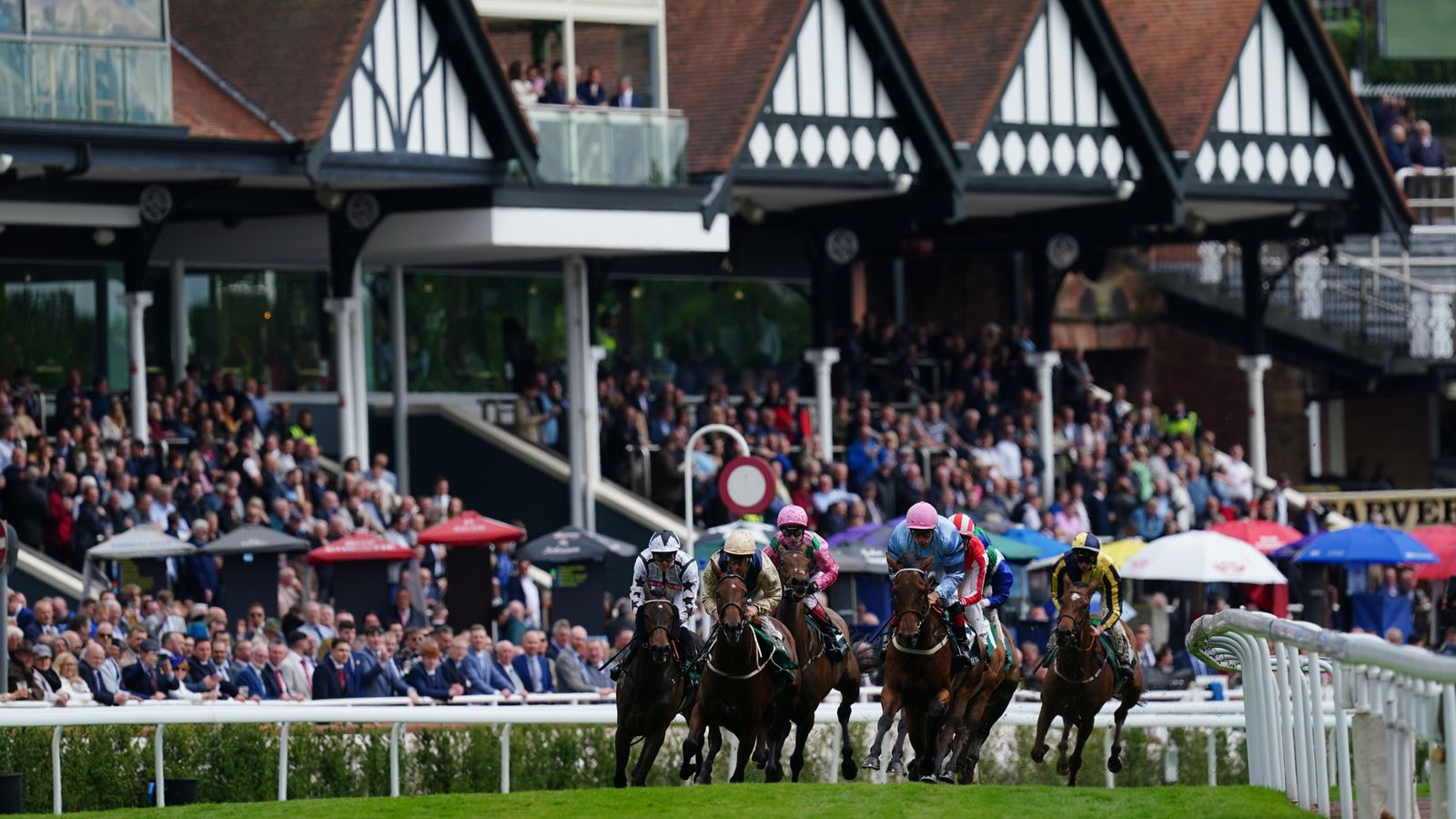
Horse racing has held a special place in British culture for centuries. From the iconic Grand National at Aintree to the prestigious Royal Ascot, horse racing events draw massive crowds and generate significant revenue for the economy. The sport combines the thrill of competition with the elegance of equestrian prowess, making it a beloved pastime for many. However, like any major event, the sustainability of these races relies on various external factors, and occasionally, races must be postponed or canceled.
Reasons for Non-Running Events
Weather Conditions
One of the primary reasons for the cancellation of horse races in the UK is inclement weather. The British climate can be notoriously unpredictable, and extreme conditions such as heavy rain, snow, or strong winds can render tracks unsafe for racing. Officials prioritize the safety of both horses and riders, making decisions to cancel or postpone events when track conditions deteriorate. This can lead to significant disruptions in planned racing schedules.
Health and Safety Issues
In addition to weather-related cancellations, health and safety concerns can lead to non-running events. Outbreaks of diseases among horses, such as equine influenza or strangles, can prompt officials to halt races to protect the equine population. Furthermore, regulations may impose strict measures to contain outbreaks, including requiring vaccinations or quarantine periods, which could affect the overall racing calendar.
Logistical Challenges
Horse racing is a complex operation, involving numerous stakeholders including owners, trainers, and jockeys. Logistical issues such as transport delays or equipment failures can lead to cancellations. If a significant number of horses cannot arrive at the venue safely and on time, race officials may opt to cancel the event altogether to maintain the integrity of the race.
Financial Concerns
Racetracks operate as businesses, and financial considerations can also play a role in non-running events. If a race day is expected to draw significantly fewer attendees due to external factors, such as political unrest or public safety concerns, organizers might decide to cancel the event to limit potential losses. Additionally, the sponsorship landscape can influence race viability; if a race lacks adequate funding or support, it may not proceed.
Public Health Concerns
The COVID-19 pandemic has brought unprecedented challenges to sports, including horse racing. Lockdowns and social distancing measures led to the cancellation of numerous events, significantly impacting the industry. While restrictions have eased, ongoing health concerns and the potential for future pandemics continue to influence event schedules and fan attendance. Organizers must remain vigilant, adapting rapidly to any changes in public health guidance.
Implications for the Industry
The cancellation of races has far-reaching implications for the horse racing industry. Economically, local businesses that thrive on race day attendance, such as hotels, restaurants, and betting shops, may suffer financial setbacks. A decrease in running events can also lead to diminished public interest, ultimately affecting betting revenues and the sport's overall popularity.
Moreover, frequent cancellations can impact the reputation of racetracks. If an organization becomes known for canceling events regularly, it may deter attendees and participants in the future. Maintaining a consistent schedule and planning for contingencies is crucial for all stakeholders involved in the UK horse racing scene.
The Role of Betting Platforms
Bettors invest a significant amount of time and money into horse racing, and canceled events can lead to frustration. To adapt, many have turned to online platforms for betting. In the wake of cancellations, non GamStop horse racing sites provide alternative avenues for fans to engage with their favorite sport. These sites often feature international races, allowing users to continue enjoying betting opportunities even when local events are not taking place.
With advancements in technology, online betting platforms have become increasingly popular, offering real-time updates, live streaming, and easy access to information about upcoming races. This has changed the landscape of horse racing betting, enabling enthusiasts to remain engaged with the sport regardless of cancellations.
Conclusion
UK horse racing is a vibrant part of the nation's history and culture, but the occurrence of non-running events poses challenges that require adaptive strategies from all stakeholders. Understanding the reasons behind race cancellations helps fans, owners, and industry insiders prepare for potential disruptions. Moreover, the rise of online betting platforms offers new opportunities for engagement, ensuring that the spirit of horse racing continues to thrive, even amidst uncertainty.
As we look to the future of UK horse racing, it is essential to maintain the integrity of the sport while navigating the various factors that contribute to non-running events. Stakeholders must collaborate to ensure the stability and sustainability of this beloved pastime, allowing it to flourish for generations to come.